


TL;DR
Shedding old stigmas: Creatine became popular in the ‘90s and ‘00s among athletes, body builders, and ‘gym bros’. Long misunderstood, creatine is now moving out of the shadows and into the shopping carts of ordinary people, including women and older adults.
Brain boosting power: Emerging research has revealed potential new benefits of creatine on brain health. From memory and cognition to Alzheimer’s prevention, creatine could pack just as much punch for your brain as it does for your biceps.
Brands muscle their way in: New brands are innovating on flavor and form factor, helping make the category more fun and accessible. Many of these brands have been at the vanguard of creatine’s glow-up, helping educate consumers and dispelling old myths.
Burning questions: We spoke to founders who kindly answered some of our most pressing questions about creatine. Read on for exclusive insights!
So what exactly is Creatine?
Despite Creatine’s growing popularity, many people still don’t fully understand what it is and what role it plays in the human body.
Creatine is an organic compound that is naturally produced by the liver, kidneys, and pancreas (our bodies produce about one gram of creatine per day!). Small amounts of creatine are also found in the animal protein that we consume. Skeletal muscles store this creatine and use it for energy during periods of exertion. Specifically, creatine facilitates the recycling of ATP (a molecule that serves as an energy source in cells), primarily in muscle and brain tissue. Put another way, creatine helps muscles produce energy faster, allowing for more intense exercise, and consequently, faster muscle growth. This is supported by numerous medical studies.
Creatine 1.0 - The early years
The 1992 Barcelona Olympics is widely cited as the event that put creatine in the spotlight, when a group of athletes reportedly benefited from its use. In 1993, creatine monohydrate powder first became commercially available as a nutritional supplement. Marketed as a strength enhancer, it initially gained popularity among high-performance athletes and professional body builders.
Over the ensuing two decades, however, creatine found growing adoption among amateurs — namely, guys looking to juice their gains in the weight room. This association with ‘gym bro’ culture and its accompanying stereotypes led to various stigmas and misconceptions about creatine:
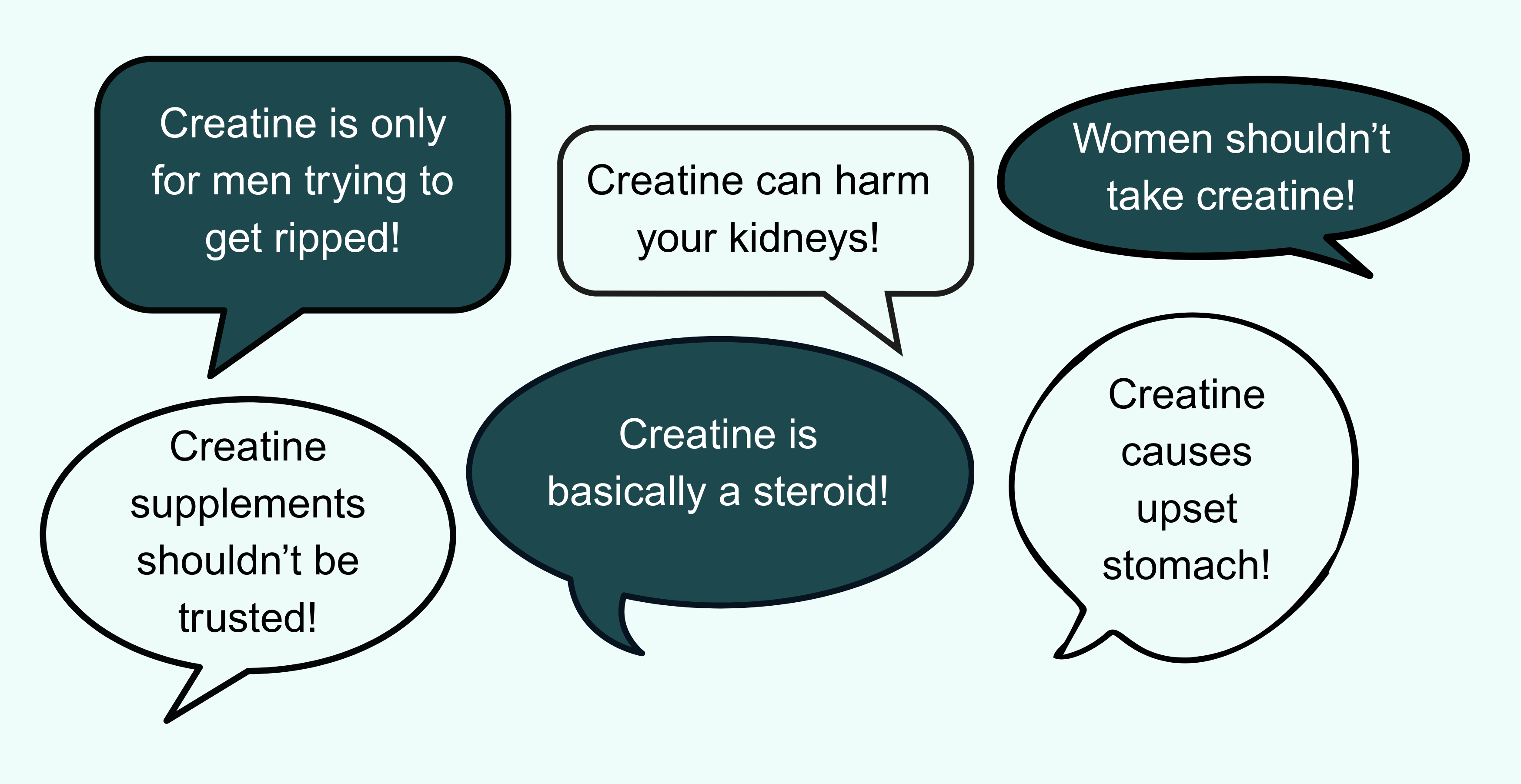
In reality, none of the above are true. Yet it’s only in the last few years that perceptions have started to shift. This is, in part, because of new research on the benefits of creatine, as well as the emergence of brands offering new form factors, use cases, and consumption occasions. Many of these brands (and their cadre of influencers) have worked to dispel myths and educate consumers about the benefits of creatine.
“Creatine had held a stigma for nearly 30 years as this quasi-steroid, male-only, bodybuilding performance enhancing drug. That couldn't be farther from the truth, but the compound required rebranding, more education, and compelling content to get the word out.”
-Dan McCormick, co-founder of Create Wellness
Creatine 2.0 - Not your father’s creatine
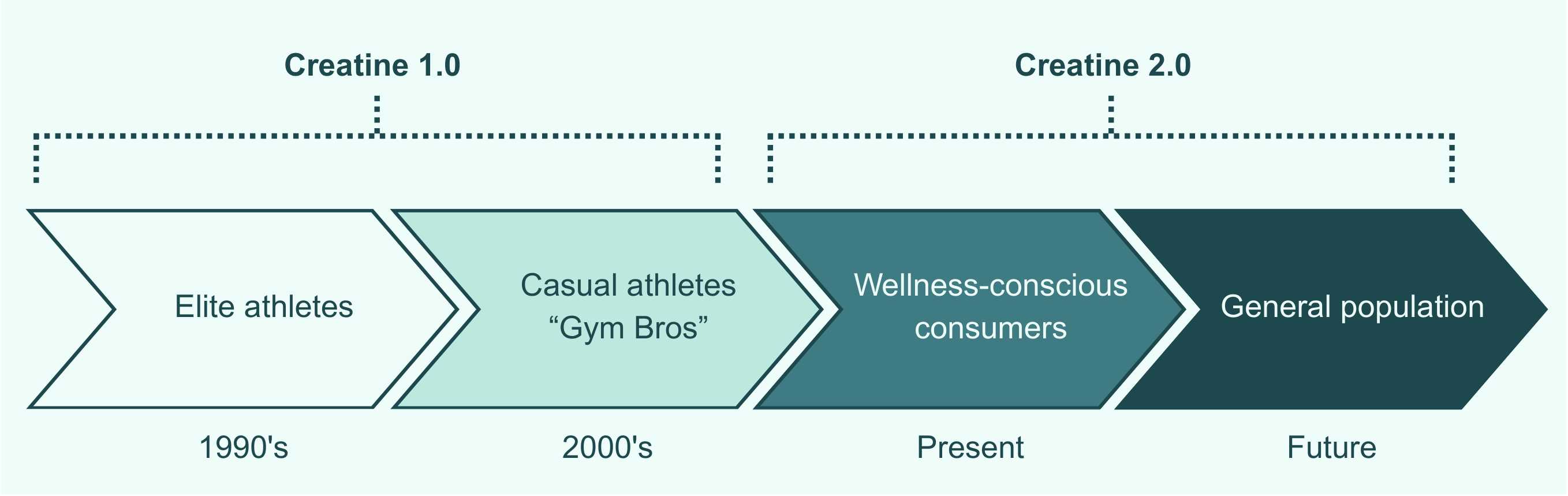
Today, creatine is in the midst of a major rebrand. A driving factor of this shift has been emerging research from the scientific community. Recent studies have indicated that, not only is creatine beneficial for strength, endurance, and anaerobic performance, but it also shows promising effects in the following areas:
Injury prevention – Creatine might reduce the frequency of dehydration, cramping, and injuries to the muscles, bones, ligaments, tendons and nerves.
Skin health – A cream containing creatine and other ingredients applied to the face reduced wrinkles in men, while a cream containing creatine and folic acid improved sun damage and reduced wrinkles.
Bone health - Creatine may help counteract age-related declines in skeletal muscle and bone mineral density.
Mental health – Creatine has been linked to lower depression risk, and may improve mood and well-being.
Most notably, however, is creatine’s reported benefit on brain health, cognition, and longevity.
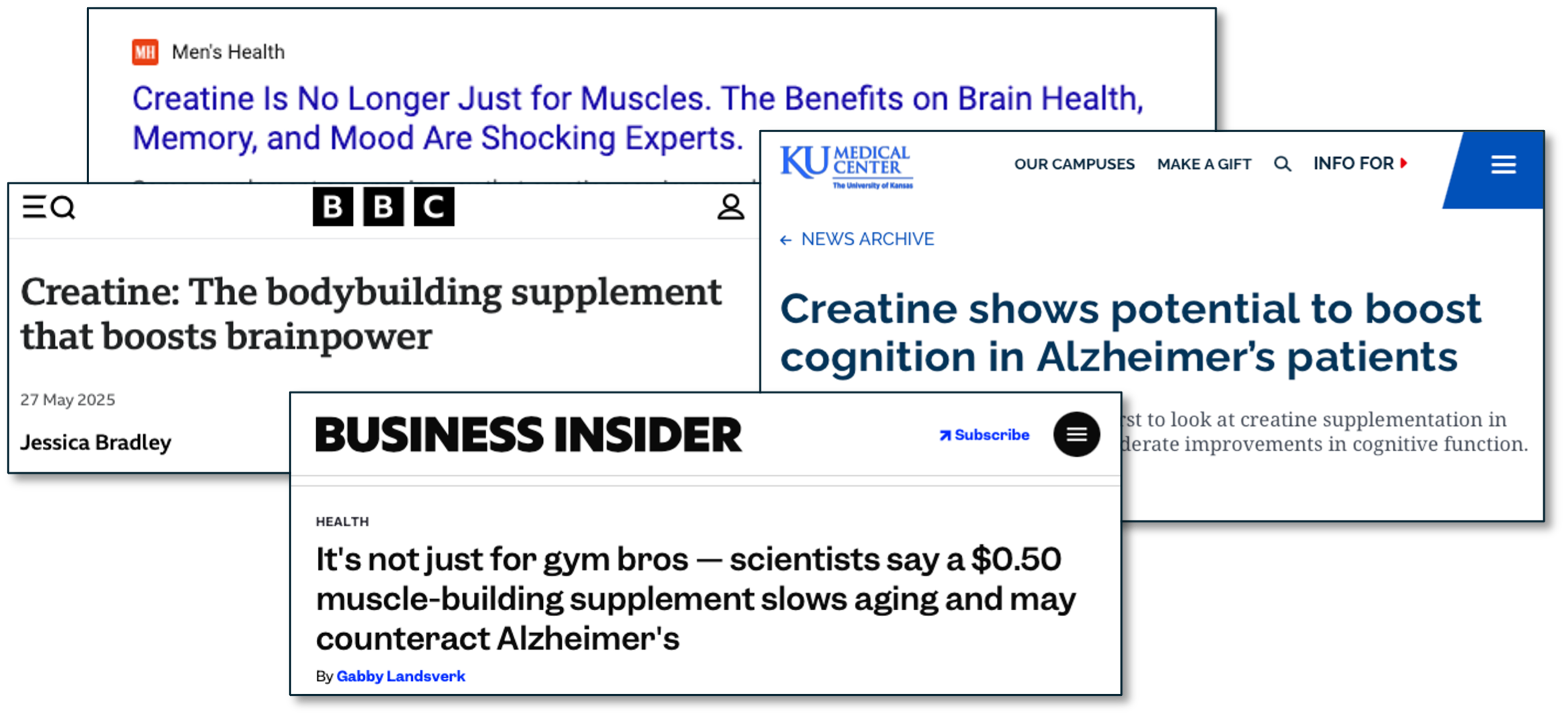
Headlines like these are incredibly exciting and could have huge implications for CPG and the broader functional wellness space. If future studies continue to back up the assertion that creatine improves memory, information processing, and may even help treat or prevent Alzheimers, then a door opens for brands to make new functional claims and target new consumer demographics. Specifically, we’re seeing women and older adults enter the category looking to reap some of these benefits.

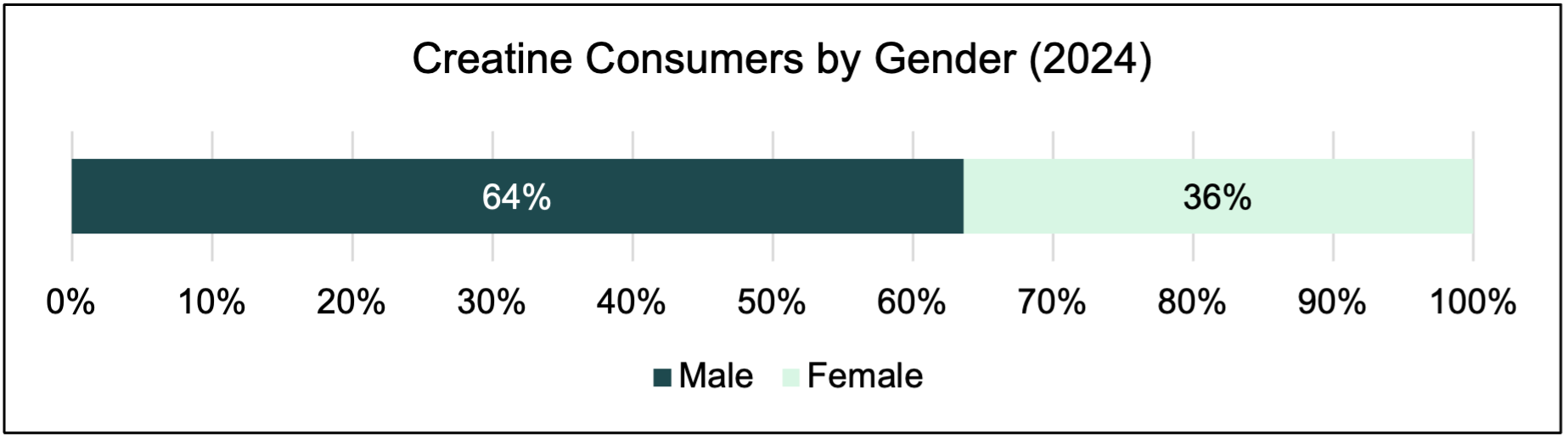
Source: Mintel
At GNC, women now account for 30% of creatine sales, versus 18% in 2020. Interestingly, Dan McCormick, co-founder of Create Wellness, tells us that 50% of their customers are women, while Alli Schaper, co-founder and CEO of SuperMush, tells us that early data shows customers for their newly launched creatine & cordyceps gummies skew female. While young people still make up the majority of creatine consumers, the average age of a creatine consumer has risen from 30 to 35 since 2020.
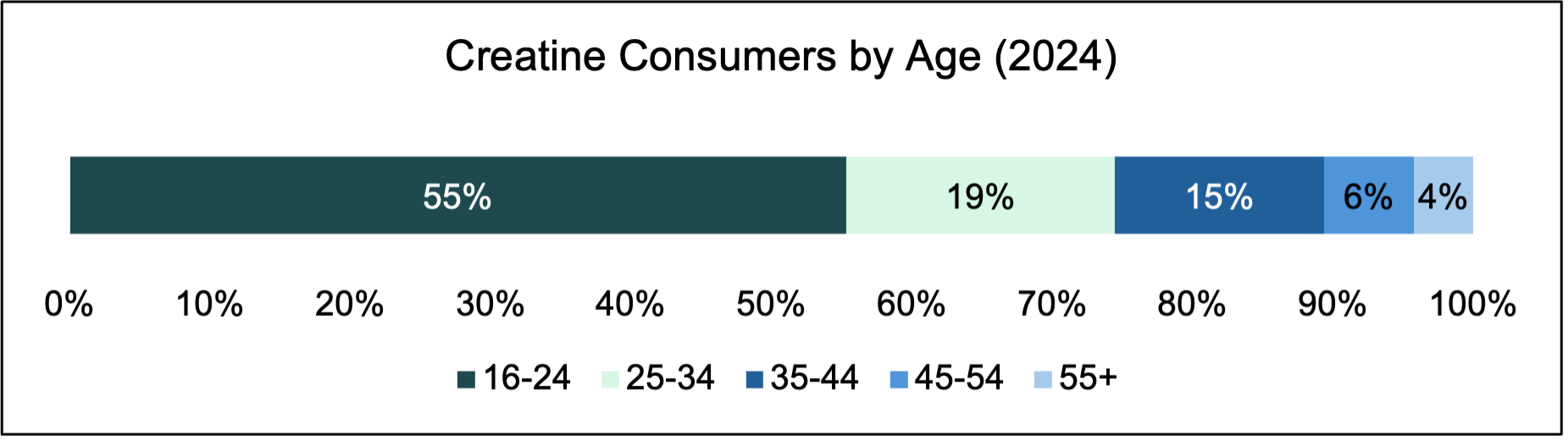
Source: Mintel
The creatine market enters bulking season
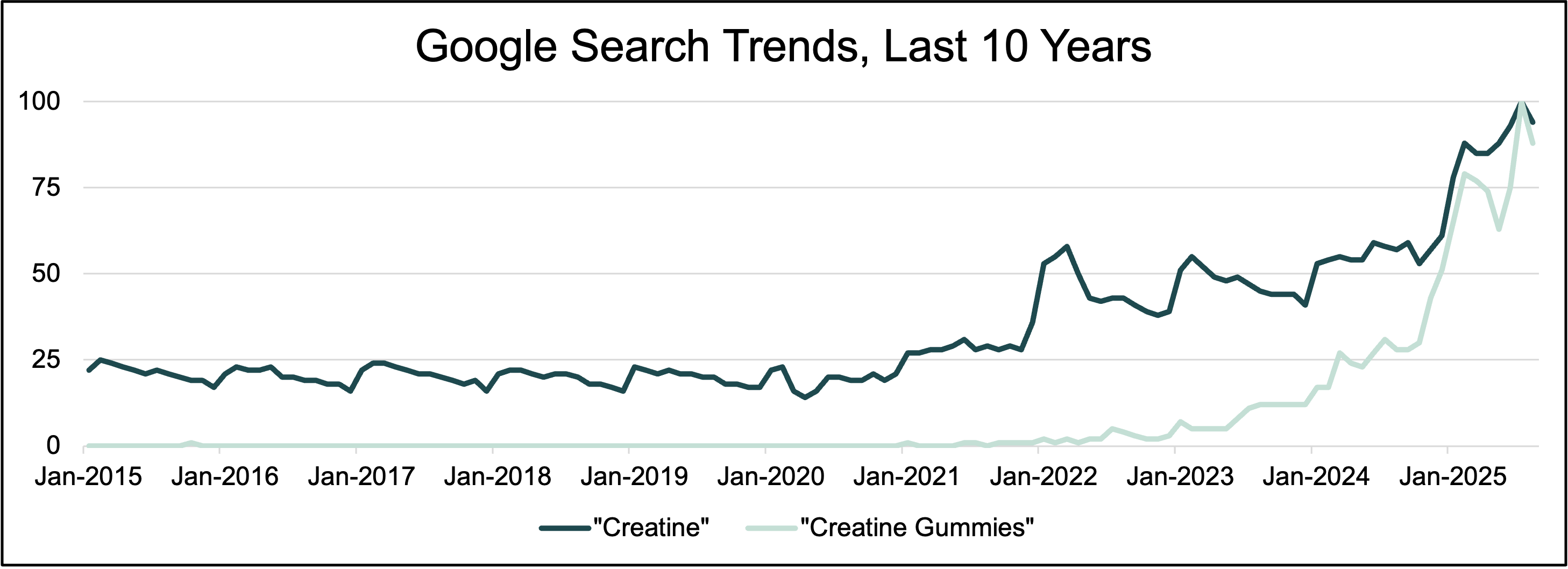
What’s interesting about the creatine hype is that it’s a super recent phenomenon. Google search trends reveal a spike in consumer curiosity in the post-pandemic years, with ‘creatine gummies’, specifically, entering the lexicon around 2023.
Globally, the market for creatine supplements reached an estimated $1.1b in 2024 and is projected to hit $4.2b by 2030, growing at a CAGR of 25.2% (that’s over 3x as fast as the protein supplement market). According to SPINS data, overall creatine sales jumped 120% in '22, and 114% in '23.
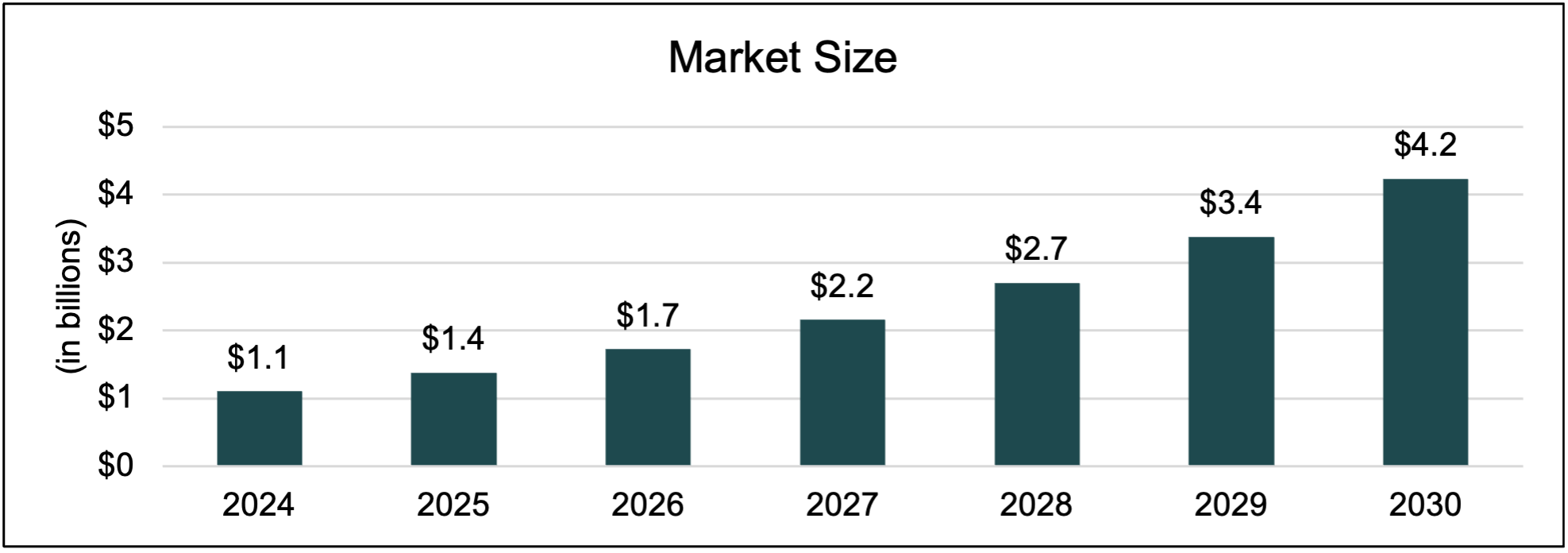
Source: Grand View Research
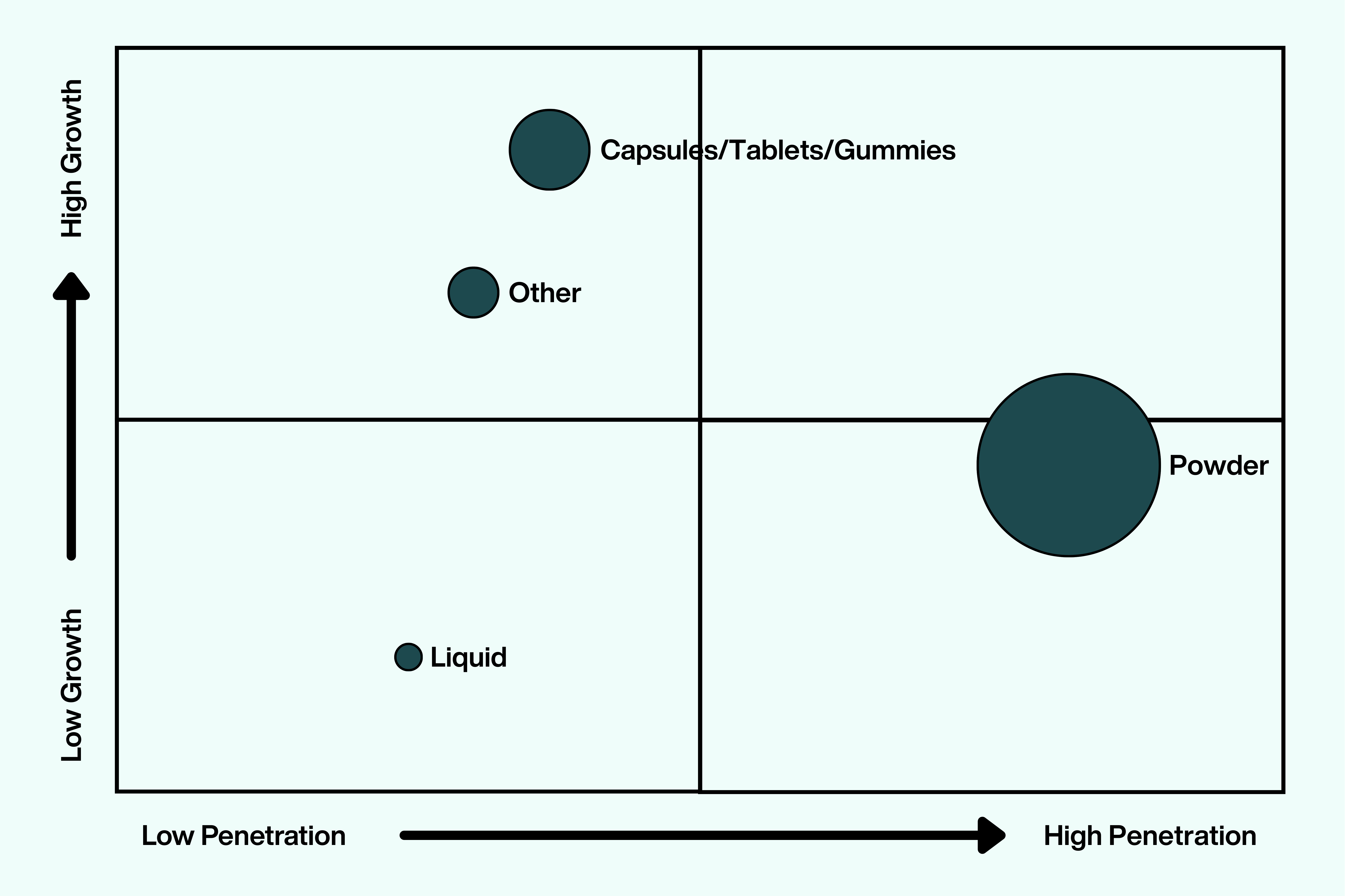
From a market concentration standpoint, the landscape is highly fragmented, with many brands and suppliers competing for share. Segmenting by form factor, powdered supplements represent 80% of the market, with the remaining 20% coming from other form factors such as tablets and gummies. Powders have been around the longest and thus are still the most visible on shelves and the most prominent in the minds of many consumers. According to Fitt Insider, however, demand for gummies is up 1,300%.
Source: Grand View Research
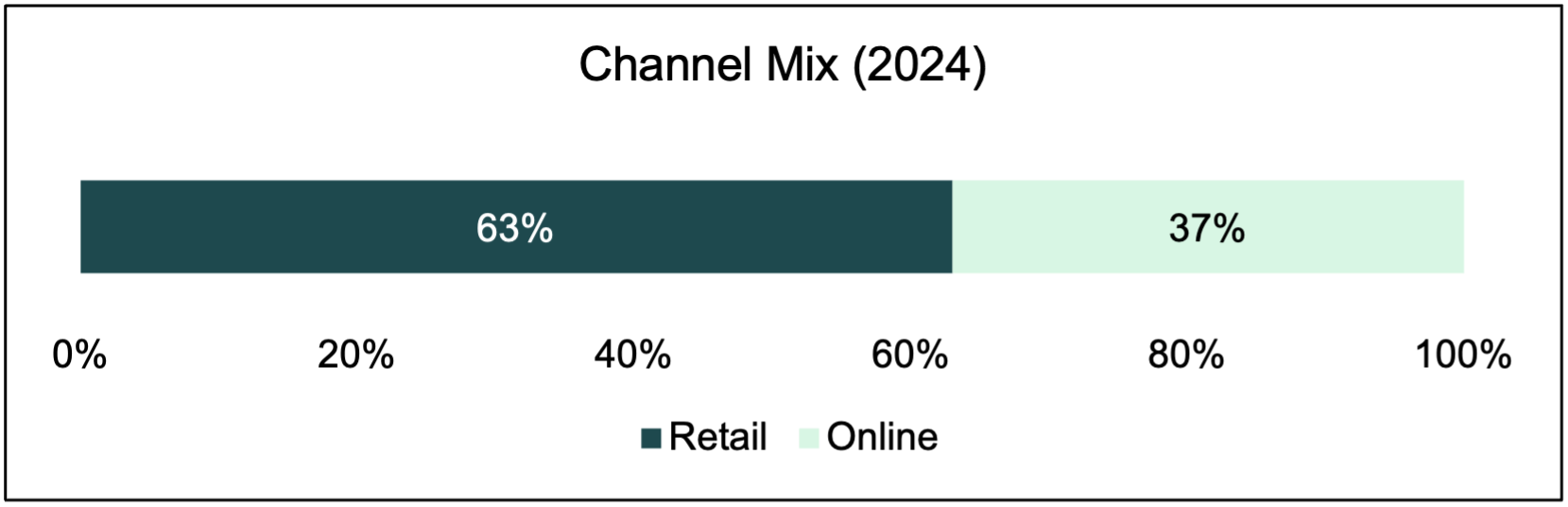
Despite the prevalence of online brands and marketplaces, retail still accounts for nearly two thirds of creatine sales.
Source: Grand View Research
While consumers have more choice online, - plus access to customer reviews - physical retail is still paramount for building trust. Consumers are more likely to feel comfortable buying a product when shopping at a trusted retailer like GNC or Whole Foods. This is especially relevant given recent scandals involving online creatine brands.
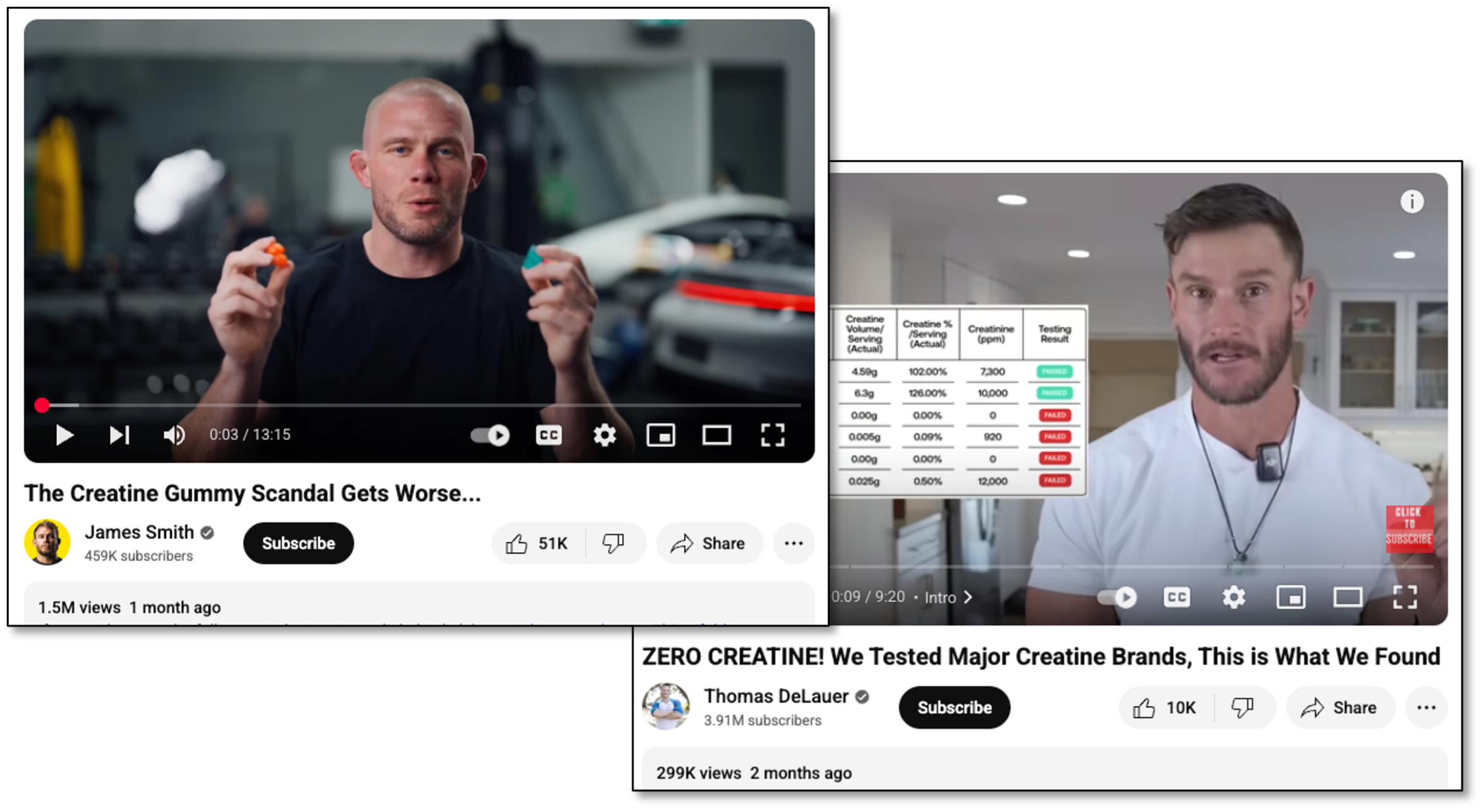
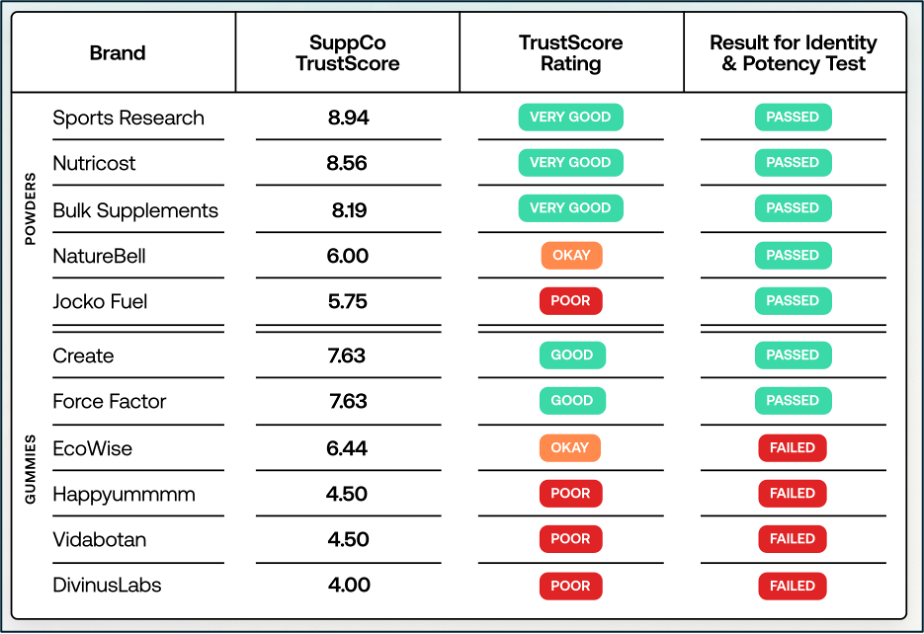
To the surprise of many, prominent YouTubers conducting third-party testing on best-selling creatine brands recently discovered that many contained almost no creatine! Instead, these brands contained creatinine - a byproduct created when creatine is broken down. While harmless, creatinine is essentially waste and has no nutritional value. Furthermore, many of these brands with no creatine were highly rated on Amazon, as consumers tend to review products based on taste and are not aware of the creatine content (or lack thereof).
Source: SuppCo
Given the proliferation of e-commerce brands selling on Amazon, it’s fair to ask - who can be trusted? Consumers need to know that the product is safe, effective, and contains the correct amount of creatine. This highlights the importance of third-party testing and certification by reputable entities such as Eurofins and SGS for testing and NSF and Informed Choice for certification. One upstart testing company that really excites us is Light Labs. Founder, Nick Mares, tells us that he expects creatine testing to become more prevalent given the amount of fraudulent products on the market. When purchasing online, he recommends buying directly from a brand’s website and looking for their Certificate of Analysis to ensure they meet their nutritional claims and are free from contaminants.
“I steer clear of supplements on Amazon unless I know the brand is reliable”.
-Nick Mares, Founder of Light Labs
New brands are making creatine fun
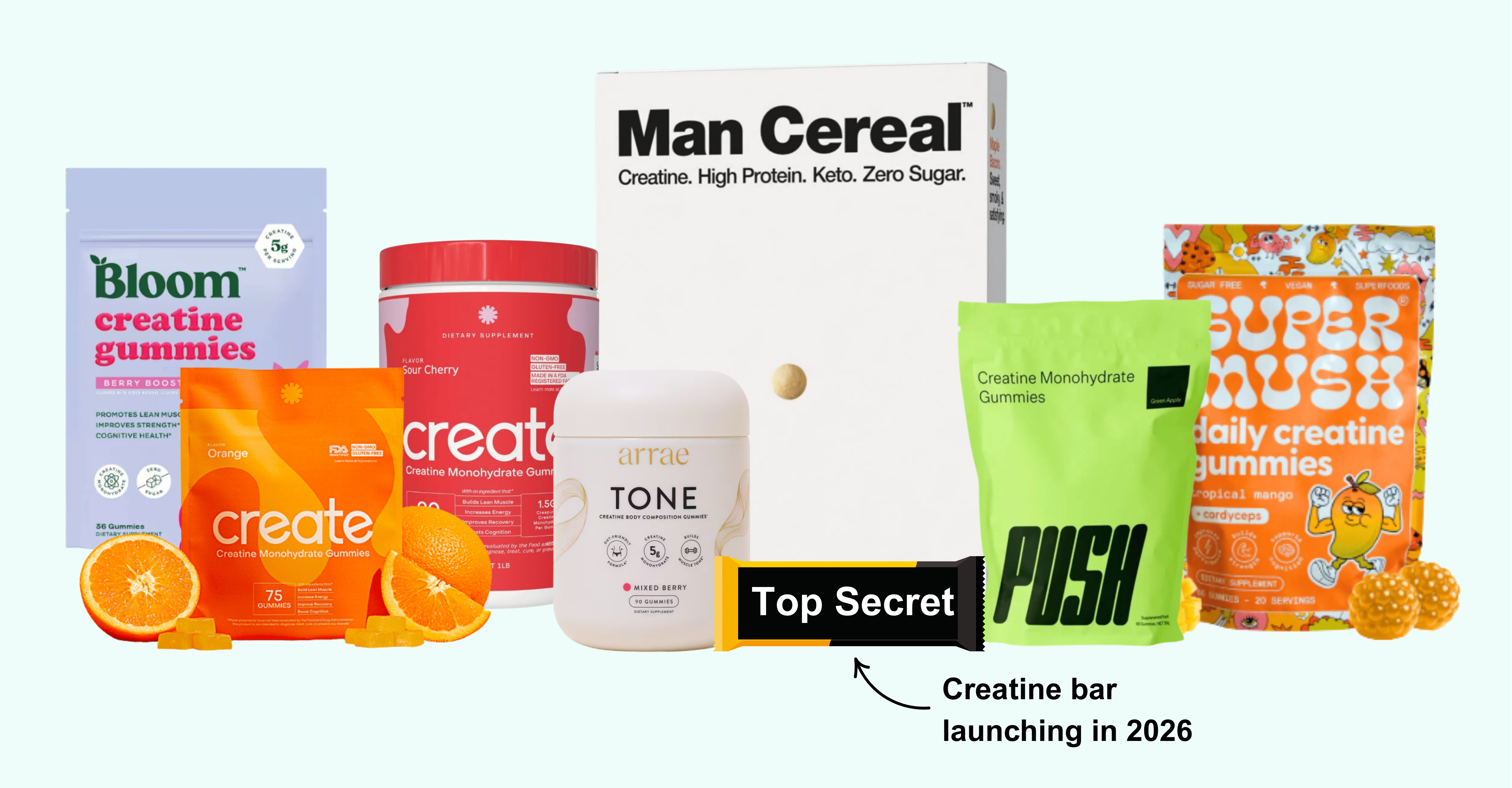
Pictured: Bloom, Create, Arrae, Man Cereal, Push, Super Mush
We spoke to a few emerging brands that are finding innovative ways to deliver on taste and function. They were kind enough to answer our burning questions.
Man Cereal
Founders: Dejan Rankovic, Emily Strauss
The brain child of two growth marketers behind Dr Squatch’s rise, Man Cereal is a high-protein, creatine-infused cereal formulated specifically for men.
How did you get creatine into your cereal without degradation?
“Our creatine is coated onto the cereal at a specific step in the process and baked at the correct temperature to avoid degradation. We’ve done stability testing up to 6-months post-production and the results were 100% stable.”
Do you anticipate any consumer hesitancy around creatine?
“Yes, I expect there to be some hesitancy given there are still some pre-conceived concerns around creatine. Some examples include that it causes kidney damage, weight gain, hair loss, dehydration, etc. We plan to address these “myths” head on through marketing on our website, emails and social media content.”
What type of creatine consumer are you targeting?
“We’re not going for hard-core creatine consumers. Instead, we’re targeting someone who struggles to maintain creatine in their diet, or who still thinks it’s a body-building steroid from the ‘90s”
-Dejan Rankovic, co-founder of Man Cereal
Create Wellness
Founders: Dan McCormick, Sienna McCormick
The McCormicks - a husband and wife duo - developed tasty and convenient creatine monohydrate gummies for athletes and wellness seekers alike.
What was the turning point when you realized creatine was moving beyond the ‘gym bro’ demographic? How did you see the opportunity before many others did?
“I had been taking creatine for well over a decade before I started Create. I personally had a really strong understanding of the compound’s benefits and it's safety profile. As the general population got more into health & wellness after 2020, I had a sense that more people were going to start taking creatine to aide their routines. At the same time, folks like Huberman, Attia, etc were all starting to talk about creatine being part of their daily routine and its positive profile as an everyday compound.”
How do you back up your claims and build consumer trust?
“We do extensive third-party testing with Eurofins to ensure creatine potency. In addition, the gummies are NSF for Sport Certified which requires extensive label claims and batch-level testing. We also partner with Alzchem, the maker of Creapure, to ensure we are using the highest quality creatine in the world.”
How do you think about marketing to different audiences and demographics?
“This is one of the challenges and opportunities with creatine. It is a very range-y compound that can help teenage boys build muscle and can also help 80-year-old grandmothers with cognitive health. There's no one singular message or one singular audience. The trick is meeting these consumers where they are, with content and messaging that speaks specifically to them. And at the same time, grounding our brand and products in foundational messaging that speaks to everybody (trust, credibility, effectiveness, quality, taste, etc).”
How has social media played a role in your success and the growing popularity of creatine in general? Who are some prominent influencers in the space?
“If you've been on Instagram over the last two years, you know that creatine is one of the healthsphere's most popular content topics. I think the reason why is that a) creatine is backed by tons of research and science, so influencers feel comfortable speaking about it and b) it creates engaging content because it's kind of shocking to hear that this "bodybuilding supplement" is not just for bodybuilders.”
-Dan McCormick, co-founder of Create Wellness
Additionally, we spoke to a fast-growing protein bar company that has developed a creatine SKU set to launch next year. That’s all we can say for now, but needless to say, we’re excited.
For those who prefer to drink their supplements, unfortunately, there haven’t really been many ready-to-drink (RTD) beverage options. This is because creatine’s instability makes it difficult to formulate RTDs. There are, however, brands trying to bring RTDs to market. Brain Pop and Konsoom (which uses CreaBev), are two examples. We’ll see where this goes, as it would certainly be interesting if the concept is proven out.
Contact us
By: Ryan Perry, Jacob Afriat
Please reach out to us if you’re working at a startup or investing in this space and want to chat further about any of the topics mentioned above!
Great Circle Ventures is an early-stage venture capital fund that invests at the intersection of food, human health, and planetary health.