


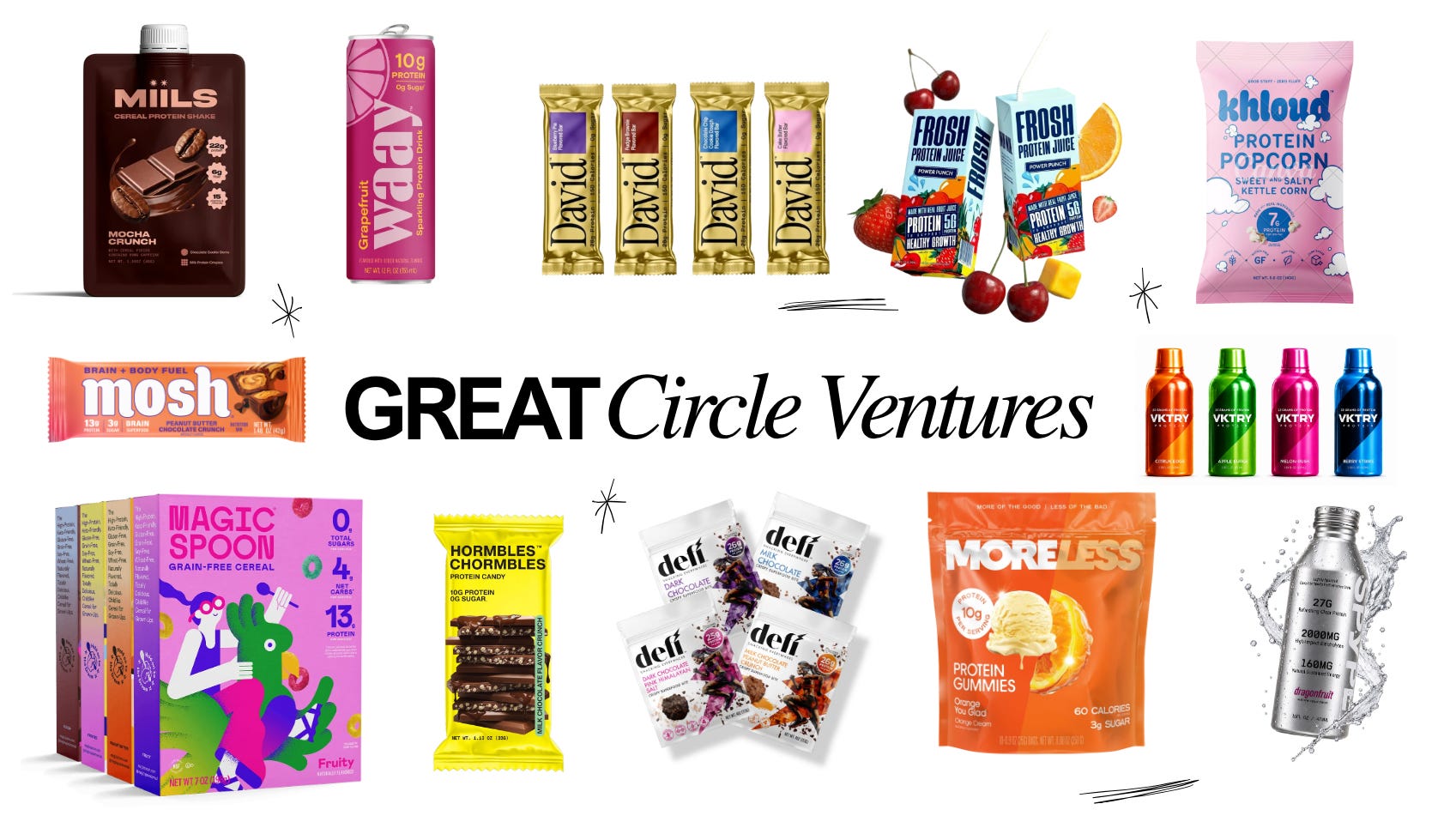
Whey starts as an accident. It’s the thin, watery liquid that separates from milk solids during cheesemaking – the runoff, essentially, of producing something more valuable. For most of dairy’s history, it was waste. Farmers fed it to pigs. It went down the drain. Today, it’s causing one of the biggest supply chain issues we’ve seen in recent history.
Whey is having its biggest moment ever. It is also showing cracks beneath its surface.
Whey is one of two proteins in milk, making up roughly 20% of milk protein. When milk is processed into cheese, enzymes and heat cause the remaining 80% of milk protein to coagulate into solid curds. The watery liquid left behind is whey. And that liquid contains a complex mixture of proteins that have distinct structures, amino acid profiles, and physiological functions.
What makes whey exceptional for muscle building isn’t just the protein content, but also its amino acid profile – whey is high in branched-chain amino acids (e.g., leucine), which are needed for muscle protein synthesis. This high leucine content is thought to be a major factor in whey protein’s effectiveness for promoting muscle growth and recovery. Think of leucine as the trigger: it signals the muscle to initiate protein synthesis. Without sufficient leucine, you’re not stimulating that pathway to the max. But whey clears that threshold easily, an area many other proteins struggle with without deliberate fortification.
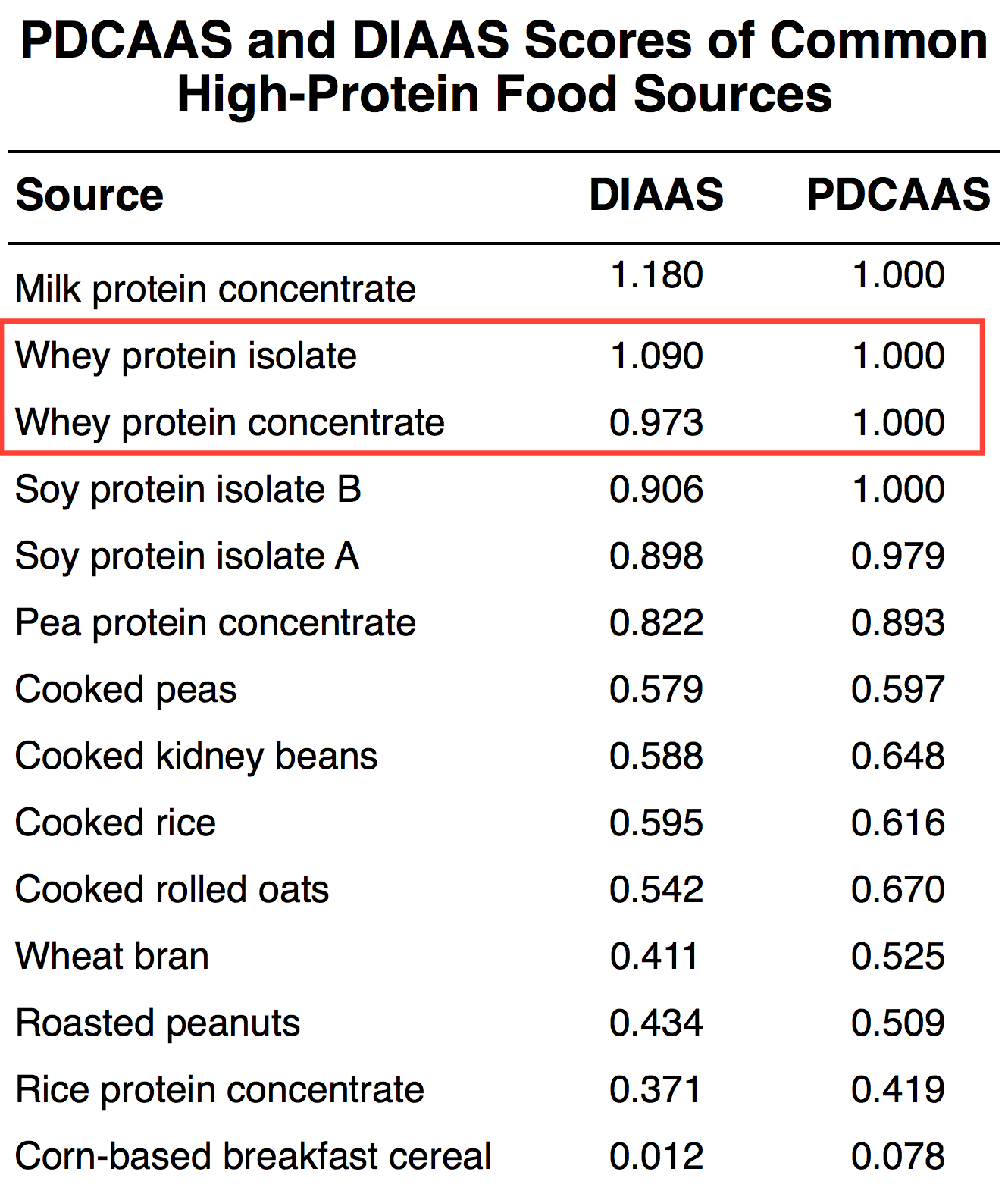
On the formal quality metrics, whey scores at or near perfect. Both the PDCAAS (i.e., Protein Digestibility-Corrected Amino Acid Score) and the DIAAS (i.e., Digestible Indispensable Amino Acid Score) – industry-standard scores for assessing protein quality – consistently place whey protein at or near maximum, indicating excellent digestibility and a well-balanced essential amino acid profile.
Whey also lets brands legally claim “high protein” — a designation the FDA defines as 20%+ of the Daily Value per serving (i.e., 10+ grams of protein). Because whey is so digestible, it’s one of the easiest ingredients to hit that threshold with. So as a rule of thumb: if a package says “high protein,” there’s a good chance whey is behind it.
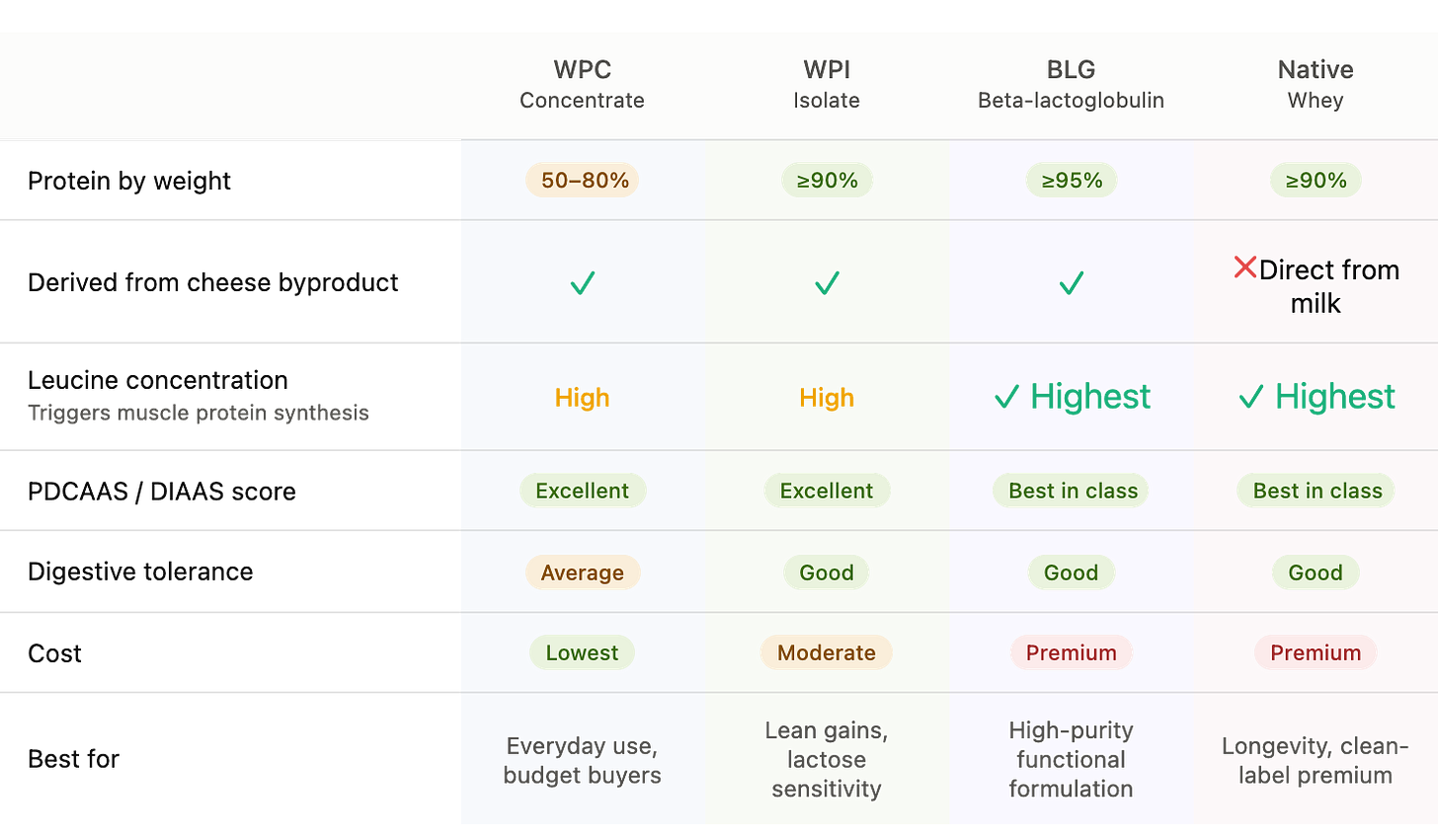
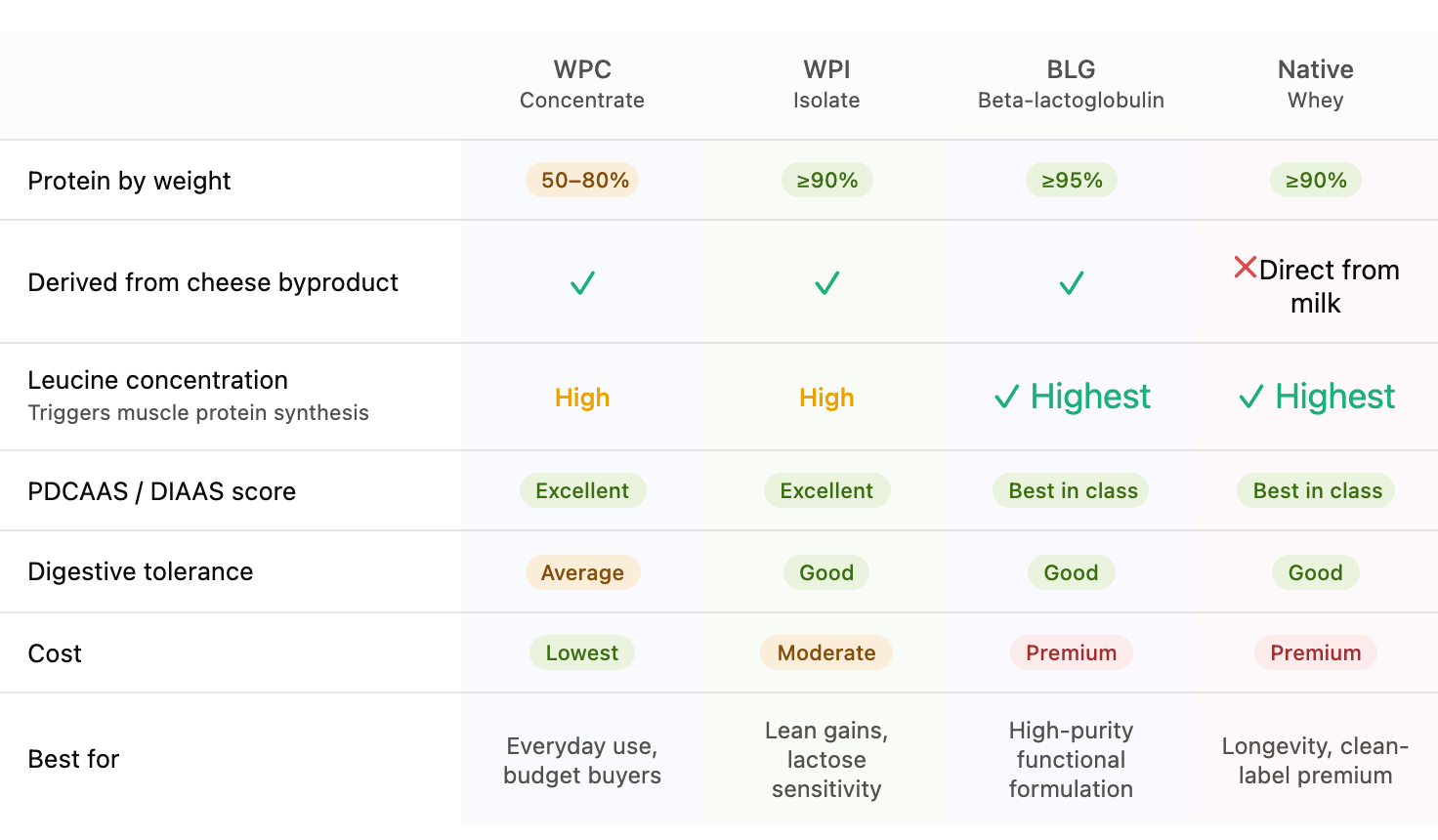
But not all whey is created equal, and its important to understand the processing ladder matters for anyone evaluating a product label:
Whey protein concentrate (WPC): The most common and affordable form – if your tub doesn’t specify otherwise, this is probably what’s in it. Protein content runs 50-80% by weight, and it will contain lactose, so skip this if you’re dairy sensitive.
Whey protein isolate (WPI): The upgrade most people should consider. Higher protein density (≥90%), virtually lactose-free, and a cleaner label. Costs more than WPC but typically the default choice for anyone with dairy sensitivity or who cares about ingredient quality.
BLG (Beta-lactoglobulin): The most potent whey fraction, isolated for maximum purity and containing the highest BCAA concentration. Rarely found in consumer products today, but this is where the category is heading.
Native whey: Extracted directly from fresh milk rather than cheese byproduct, which means better-preserved protein structure, higher leucine, and a meaningfully superior amino acid profile. If BLG is the future, native whey is the best version of the present.
“Because protein and whey have been really, really popular, whey protein concentrate, the lower grade of protein, has been used much more into mainstream products,” said Hélène Briand, co-founder and CTO of Verley. “But now it’s a race about quality of protein and nutrition and no longer just volume like it used to be.”
The global protein supplements market was valued at $27.53 billion in 2025 and is projected to reach $63.54 billion by 2035 – nearly tripling in a decade. There’s proof of this in the grocery aisle, where protein has entirely permeated. In fact, according to NielsenIQ, the average U.S. supermarket now has 38.7k+ products advertising their protein content. Greek yogurt, cottage cheese, protein coffee, protein pasta – the category has expanded from supplement to ingredient, from specialized to ambient.
“The sky’s the limit,” said Urs Briner, CFO and co-founder of Yeastup. “People are trying to put protein into everything — protein pasta, protein chips, protein yogurt, protein sourdough, protein pancakes. Think of anything that exists and it’s possible that it can be loaded with protein.”
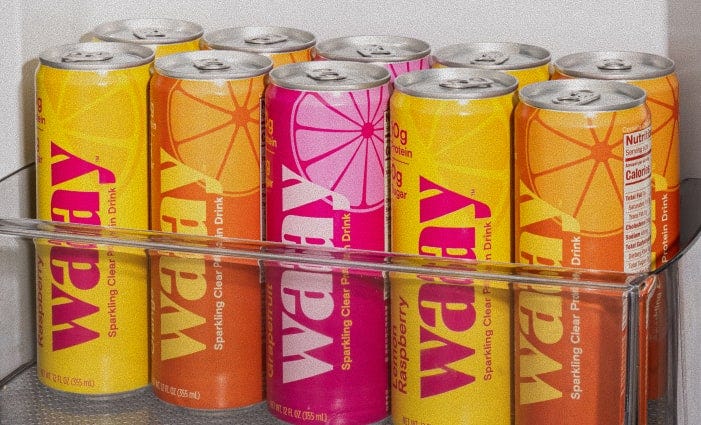
GLP-1s have driven this increased prioritization of protein, creating a fast-growing and health-conscious consumer cohort that rises to the forefront. Andrew Huberman and other public figures brought protein science to mainstream audiences in a way it never reached during the bodybuilding era. Muscle mass as a predictor of healthspan — protective against metabolic disease, cognitive decline, and functional aging — is now considered common knowledge.

But while demand has skyrocketed to unprecedented levels, supply has struggled to keep up. But the bottleneck isn’t just cows — it’s infrastructure. Turning liquid whey from cheese into concentrated powder requires specialized equipment that takes years and hundreds of millions of dollars to build. That capacity is now maxed out globally, and it can’t be switched on overnight.
“Cheese production and whey protein demand have to move in tandem,” said Ryan Olson, Product Director at PGP International. “Right now, they don’t — which is why we’re seeing these recurring supply chain issues. GLP-1s and the broader shift toward healthy eating aren’t going anywhere, so if cheese production drops, this only gets worse.”
For brands, this has forced a reckoning that goes beyond margin management. If a new buyer comes looking for WPC, there just are not a lot of suppliers with extra protein on the sidelines. That results in those new buyers paying higher prices, because they have orders they have to fill. Brands that didn’t lock in supply contracts early are now competing for constrained inventory at prices that make their existing unit economics unworkable.
The result is a two-speed market. Established players with scale and long-term supplier relationships are absorbing the pressure. Emerging brands — exactly the ones most likely to be building directly and in innovative ways for the new consumer — are getting squeezed hardest at the moment they can least afford it.
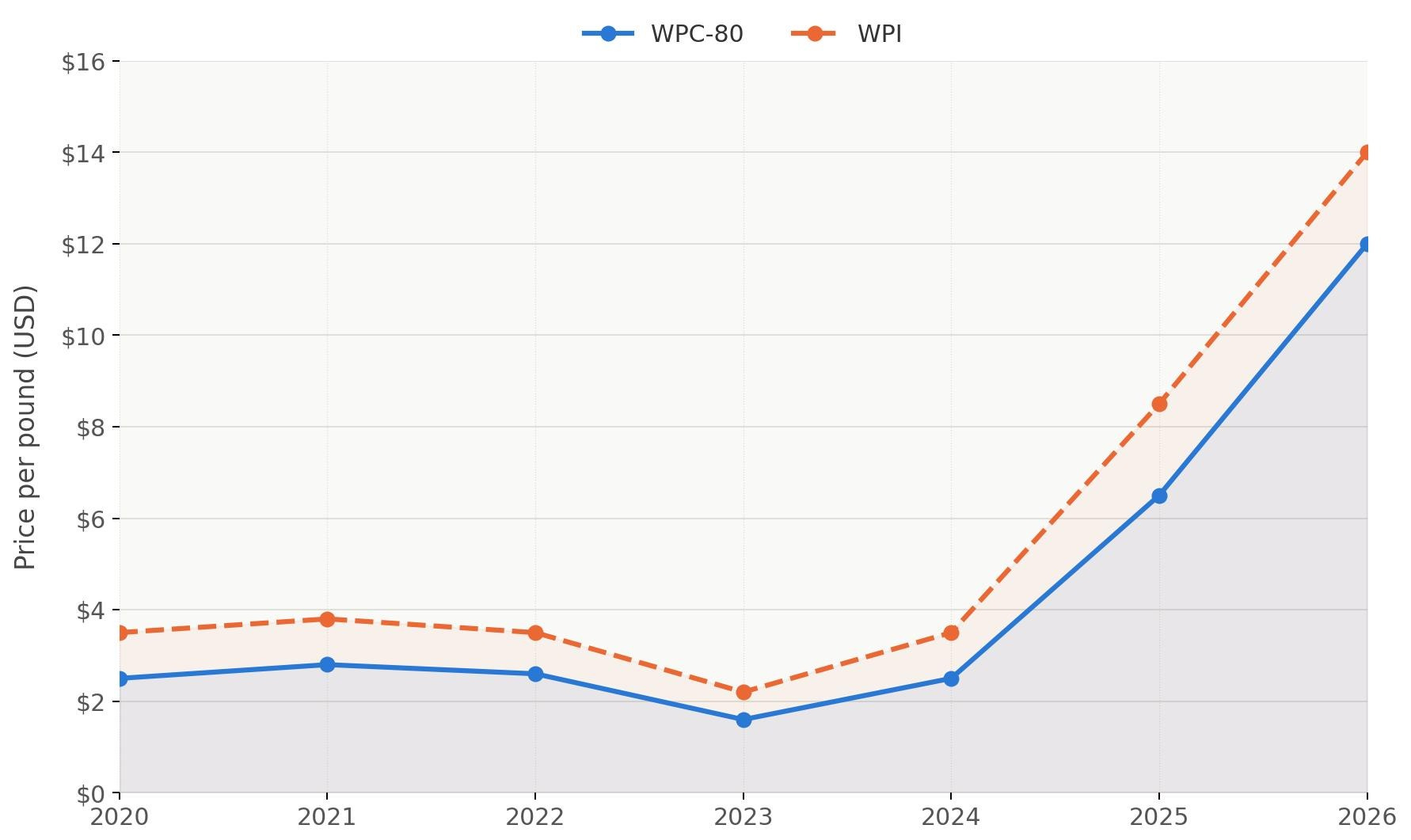
"We chose WPI for its taste,” said Chloe Choi, co-founder and CEO of Miils. “Its taste profile is the closest thing to milk and has minimal protein aftertaste, which is critical for our cereal-shake flavor profile. While supply remains constrained today, we’re cautiously optimistic.“
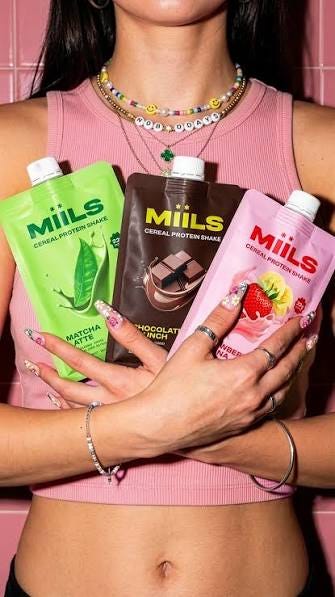
With prices for WPC-80 and whey protein isolate increasing 50-80% over the last year, brands are being forced to rethink their approach: what happens now?
Brands are solving this for the consumer in two different ways:
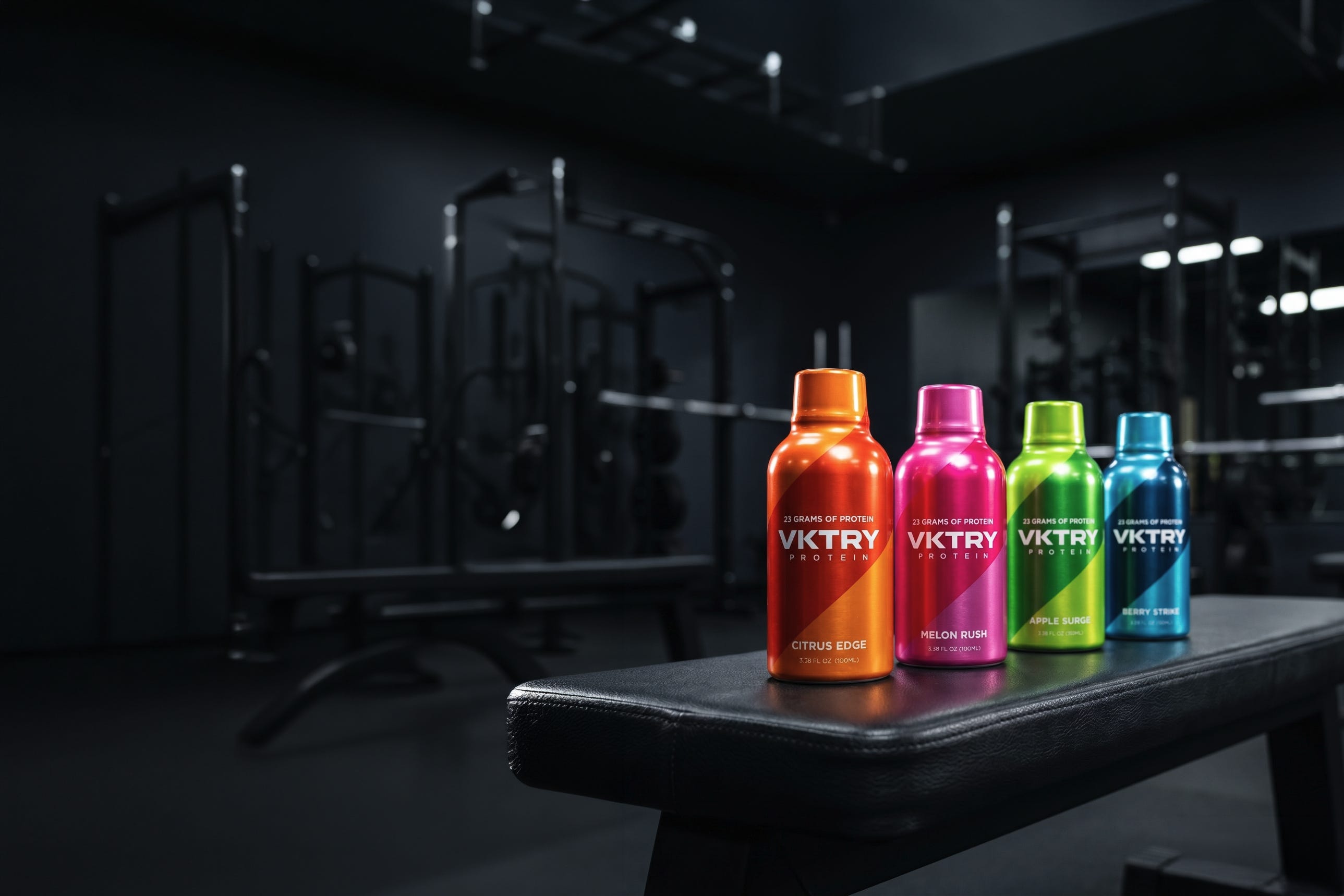
Lock down what’s scarce: Brands like Sprye and VKTRY are moving early by securing long-term supplier relationships before the market tightens further, establishing access to high-quality whey at terms that newer entrants won’t be able to match. In a constrained market, supply chain positioning is a competitive advantage — and the window to establish it is closing. Syed Husain, co-founder and CMO of SPRYE, described the process as “almost like hedging,” with the brand focused on “locking in larger volumes than [they] know [they’re] going to need in the short term.”
Investigate whey alternatives: This whey shortage has forced a harder, longer-term question: is it still safest to bet on whey protein via cheese extraction in the long run? With the evolution of biotech, there are a few ways brands can consider pivoting:
Look into reformulation with alternative proteins: Milk fractions, as well as yeast and pea proteins have gained traction as more supply-stable, cost-competitive substitutes. PGP International has specifically pointed to milk proteins as a strong alternative given how it’s pulled directly from fluid milk production. For brands less committed to whey specifically, the value proposition is notable — you get comparable amino acid profiles at lower price volatility.
Sidestep the cheese extraction process entirely: Suppliers like Verley are producing BLG via precision fermentation, decoupling premium protein entirely from the dairy supply chain and its constraints. Prices remain high, and the technology is still early. But for brands willing to build around it now, the sourcing story is compelling: identical protein performance and a supply chain immune to natural disasters and other inevitable cheese production swings.
“There’s just so much demand.” said Brad Pyatt, founder of VKTRY Protein. “This can happen with consumer brands, but I also think the supply will get ahead of this. It just takes a bit of time to really get the innovation and more production going.”
Whey protein consumers should expect to see more of these use cases pop up as brands navigate this current supply crisis.
Take Hello Amino, for example. When their longtime supplier cut them off entirely after a five-week backorder, they found a replacement supplier in the U.S., but at a 50% price premium — and that new isolate had a different processing method that completely changed the composition of its products. They’ve since shifted their brand identify from protein to wellness, partly because the protein-baking space has gotten so crowded and partly as a hedge against being whey-dependent going forward.
Whey’s popularity right now isn’t really about whey. It’s about a cultural shift in how consumers think about protein — and who, exactly, the consumers are.
For the first time, the mainstream consumer has been convinced that protein is the most important thing on their plate. Not fat, not carbs, not some emerging superfood. Protein. And whey is the most efficient, best-researched, most bioavailable way to get more of it — a fact that decades of sports science have established and that a new generation of health communicators is now broadcasting to audiences who have never been inside a supplement store.

As Morgan Zanotti, founder and CEO of Waay, put it: “I’ve always liked whey protein. I just didn’t want it in a shake. We’re in this new era where a product needs to be additive for consumers, not just eliminating something that is otherwise normally in a product.”
Whey isn’t proprietary and never will be. The supply crisis accelerated that reality. When every brand is scrambling for the same ingredient, the ingredient alone stops being the differentiator. What separates the winners is everything else around it: where it comes from, how it’s processed, what price point it’s offered at, and whether the brand can speak credibly to a consumer who is asking harder questions than they used to. With the new alternatives being explored, that same consumer has more choices than ever — and they will be the ones who make or break the next generation of the category.
Thanks for reading. We’re Great Circle Ventures, a fund focused on emerging food tech and CPG brands. This article was written in collaboration with PGP International, a leading manufacturer of high protein ingredients and grain crisps for the Cereal, Granola and Nutritional Bar industry. PGP International specializes in developing extruded ingredients and texture solutions to help food manufacturers create innovative, nutritious products that deliver great taste.
If you found this useful, hit subscribe below and follow us on IG (@greatcirclevc). And if you’re a founder working on with whey protein, we’d love to hear from you.